INTENT
Our vision in Music is to create an inspiring and dynamic environment where every pupil can thrive. We nurture a genuine love of learning and encourage pupils to explore the subject with confidence and curiosity. Through a broad and balanced curriculum, we ensure all learners can make meaningful progress and are given the opportunity to fulfil their musical potential.
CURRICULUM OVERVIEW
Key Stage 2
At Key Stage 2, pupils begin building the foundations of musical understanding. They learn to read notes on the treble-clef stave and explore key rhythmic values such as the semibreve, minim, crotchet and quaver, as well as dotted rhythms. Pupils are also introduced to different types of scales and begin applying this knowledge to simple chords.
Practical music-making is central at this stage. Pupils develop instrumental skills on the keyboard and glockenspiel, and they spend time singing, learning to perform confidently and experimenting with simple harmonies.
Key Stage 3
In Key Stage 3, pupils deepen and extend the knowledge gained in Key Stage 2. Their understanding of chords develops into creating and performing simple chord sequences, and they explore a wider range of scales and how these can be used creatively.
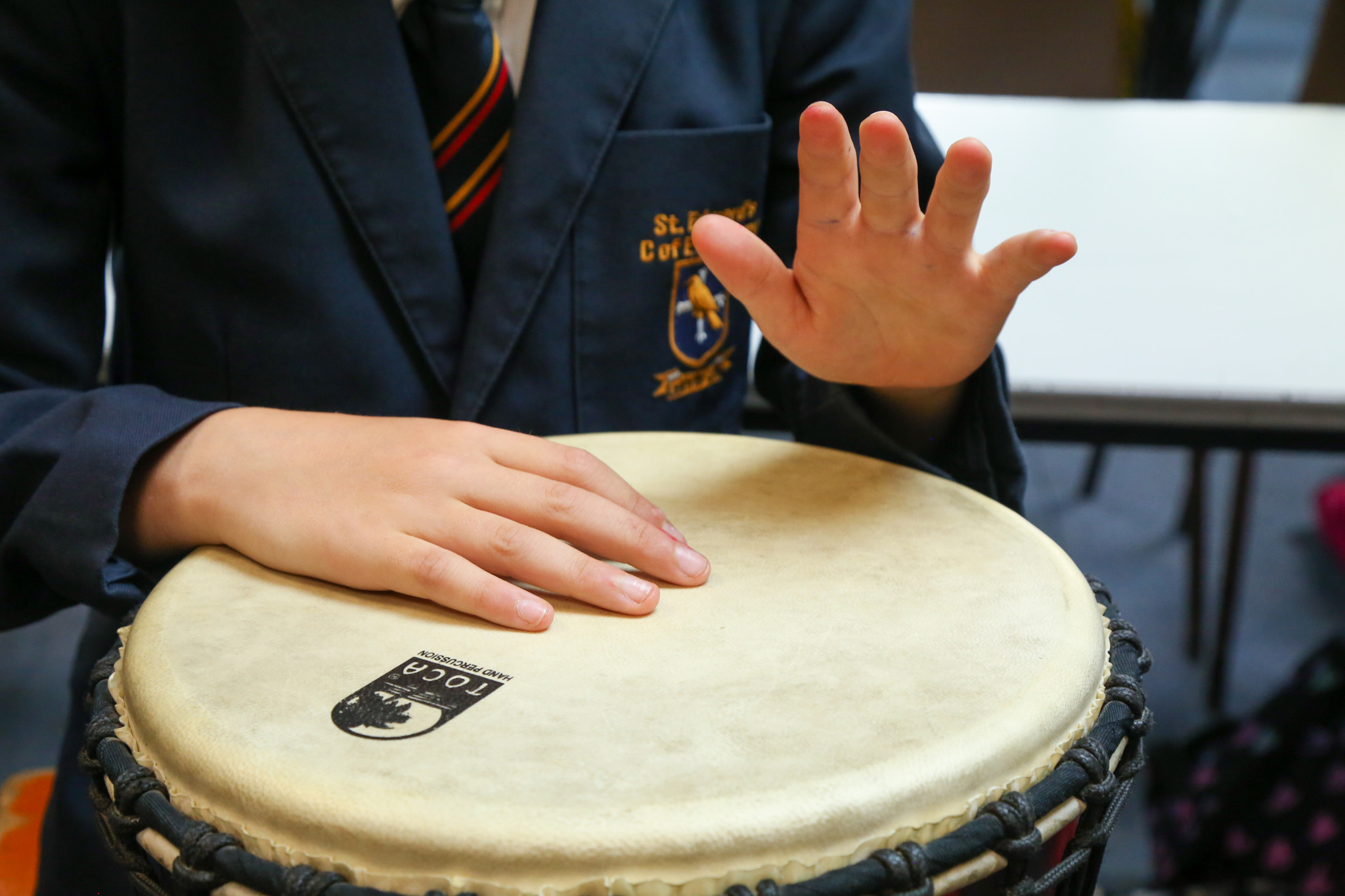
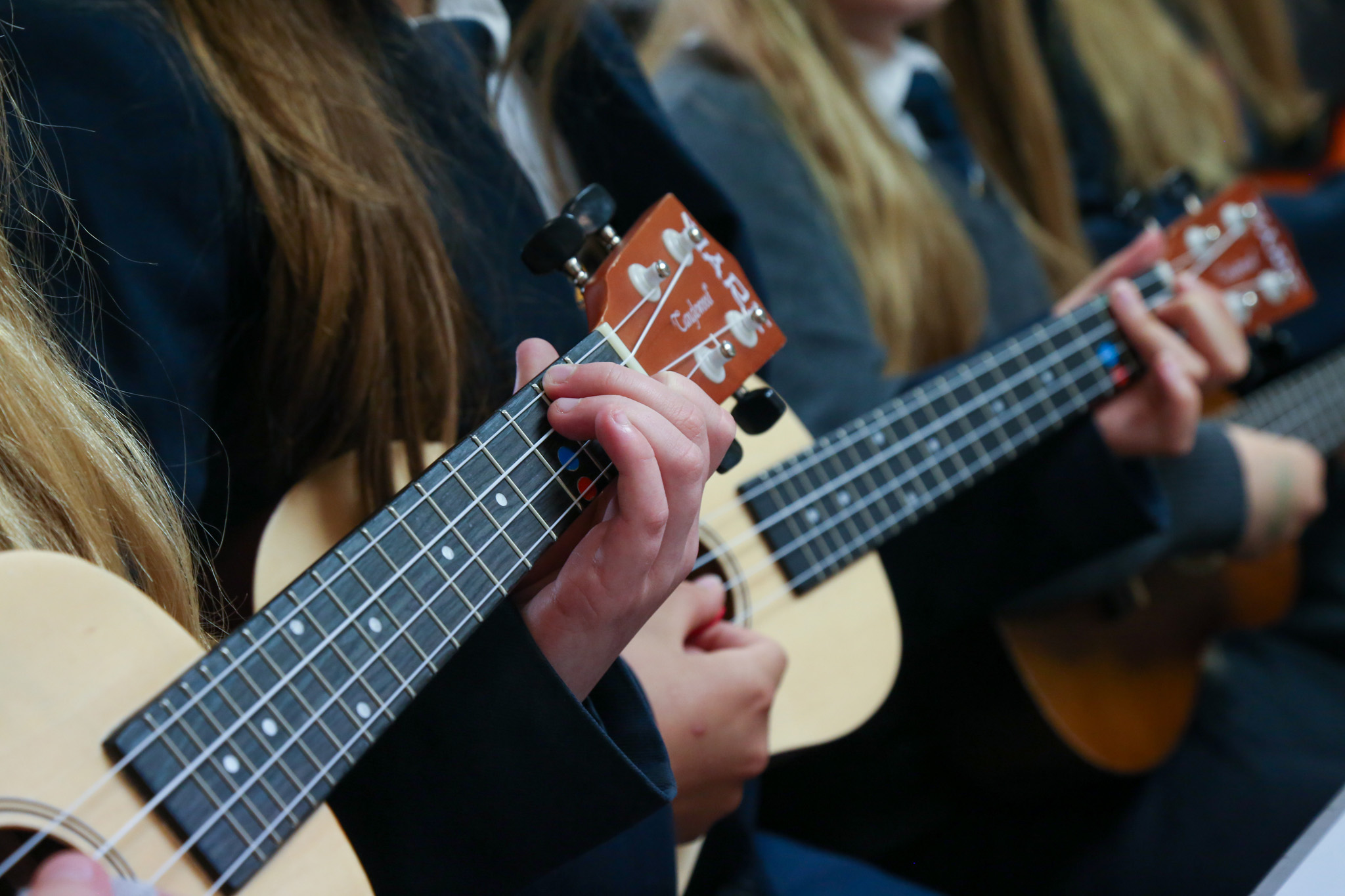
Pupils are introduced to more complex rhythmic ideas, including swing rhythms, syncopation and cross‑rhythms, and they broaden their knowledge of musical styles and genres. Instrumental work also expands: alongside keyboards, glockenspiels and ukuleles, pupils have opportunities to use guitars, bass guitars, drum kits and djembes, allowing them to experience a wider range of performance skills.
ASSESSMENT
The three key strands of Music (performing, composing and listening) are assessed each year. Pupils are asked to play music of a variety of instruments which is then assessed in terms of accuracy, fluency and musicality. Composition work is assessed against a given brief and pupils have scope to express themselves through their own creations. Listening work is assessed as pupils listen to a variety of pieces of music in different styles. The grades for each of these strands are then used to create the pupils end of year grade.
CULTURAL CAPITAL AND PERSONAL DEVELOPMENT
PERI lessons are available to all pupils for a range of instruments such as piano, violin, drums, guitar, clarinet and saxophone.
The opportunity to perform at school events such as church services and open events